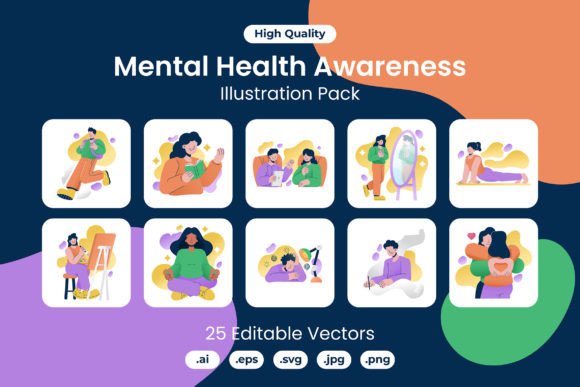
Mental Health Object Illustration
In today’s fast-paced world, finding moments of calm and clarity is more important than ever. Mental Health Object Illustration offers a unique way to explore this balance through visual storytelling. These illustrations are not just artistic expressions—they serve as tools for reflection, inspiration, and emotional connection. By blending creativity with mindfulness, they help individuals and communities foster a deeper understanding of mental well-being.
What Is Mental Health Object Illustration?
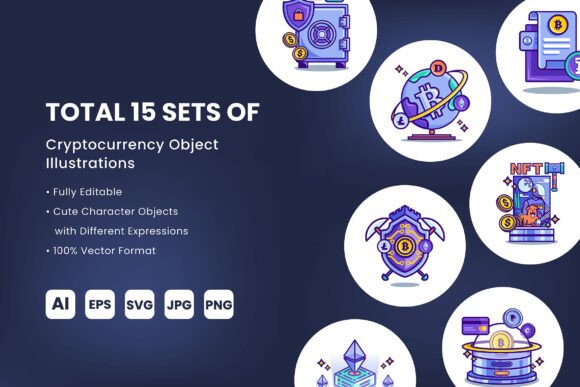
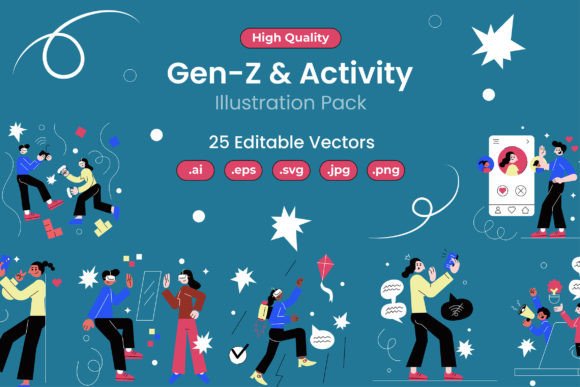
Mental Health Object Illustration refers to the use of visual elements—such as symbols, icons, and abstract forms—to represent concepts related to mental health. Unlike traditional art, these illustrations are designed with intention, often incorporating natural imagery, geometric shapes, or minimalist designs that evoke feelings of peace, resilience, and growth.
These illustrations can be used in various formats, from digital graphics to physical prints, making them versatile for different applications. Their simplicity allows for broad interpretation, which makes them ideal for personal use, educational settings, or therapeutic environments.
Why It Matters
Visuals have a powerful impact on our emotions and thoughts. Mental Health Object Illustration taps into this by creating a visual language that speaks directly to the mind and heart. Whether it's a symbol of strength, a representation of balance, or an image of renewal, each illustration serves as a reminder of our inner capacity for healing and growth.
Moreover, these illustrations can help reduce stigma around mental health by normalizing conversations about emotional well-being. They encourage open dialogue and provide a safe space for people to express their experiences and feelings.
Creative Possibilities and Applications
The beauty of Mental Health Object Illustration lies in its adaptability. Here are some creative directions you can explore:
- Therapeutic Tools: Use these illustrations in therapy sessions or self-care routines to support emotional expression and reflection.
- Personal Journals: Incorporate them into your journaling practice to visually track your mood and progress over time.
- Workplace Wellness: Create a calming environment by displaying these illustrations in offices or common areas to promote mental well-being among employees.
- Art Therapy: These illustrations can be used as prompts for art therapy sessions, helping individuals explore their emotions through drawing or painting.
- Online Content: Integrate them into blog posts, social media content, or digital campaigns to engage audiences with meaningful messages about mental health.
Styles and Approaches
Mental Health Object Illustration can take many forms, depending on the intended purpose and audience. Here are a few popular styles:
- Minimalist: Clean lines and simple shapes create a sense of calm and focus, making them perfect for meditation or relaxation spaces.
- Abstract: Using color and form to convey complex emotions, this style encourages personal interpretation and emotional engagement.
- Natural Imagery: Incorporating elements like trees, water, and mountains can evoke feelings of peace and connection to nature.
- Symmetrical: Balanced compositions can symbolize stability and order, making them ideal for environments where clarity and structure are valued.
Practical Uses Across Different Contexts
Whether you're a designer, educator, or small business owner, Mental Health Object Illustration can be adapted to fit your needs. Here are some real-world examples:
For Educators: Create classroom materials that incorporate these illustrations to teach students about emotional intelligence and coping strategies. They can be used in lesson plans, posters, or interactive activities to make learning more engaging.
For Marketers: Use these illustrations in branding and advertising to communicate values of wellness, empathy, and community. They can enhance the visual appeal of campaigns while aligning with a mission of positive change.
For Small Business Owners: Add these illustrations to your website or marketing materials to create a welcoming atmosphere that resonates with your target audience. They can also be used in customer service interactions to build trust and connection.
How to Get Started
If you're new to Mental Health Object Illustration, here are some practical steps to begin:
- Define Your Purpose: Determine what message or feeling you want to convey. This will guide your design choices and ensure your work is intentional.
- Choose a Style: Explore different styles and select one that aligns with your goals and audience. Experiment with colors, shapes, and textures to find what feels most authentic.
- Use Design Tools: Utilize graphic design software like Adobe Illustrator or free alternatives such as Canva to bring your ideas to life. These tools offer templates and resources to help you create professional-looking illustrations.
- Test and Refine: Share your work with others to gather feedback. Use this input to refine your designs and ensure they effectively communicate your intended message.
- Share Your Work: Once you're satisfied with your illustrations, share them on social media, blogs, or online marketplaces. This not only helps you reach a wider audience but also contributes to the growing conversation around mental health and creativity.
Conclusion
Mental Health Object Illustration is more than just art—it's a bridge between creativity and well-being. By using these illustrations thoughtfully, we can create spaces, messages, and experiences that inspire, heal, and connect. Whether you're looking to improve your own mental health or support others, these visual tools offer a powerful way to express and explore the human experience. Let your imagination lead the way, and discover the transformative power of art in everyday life.